
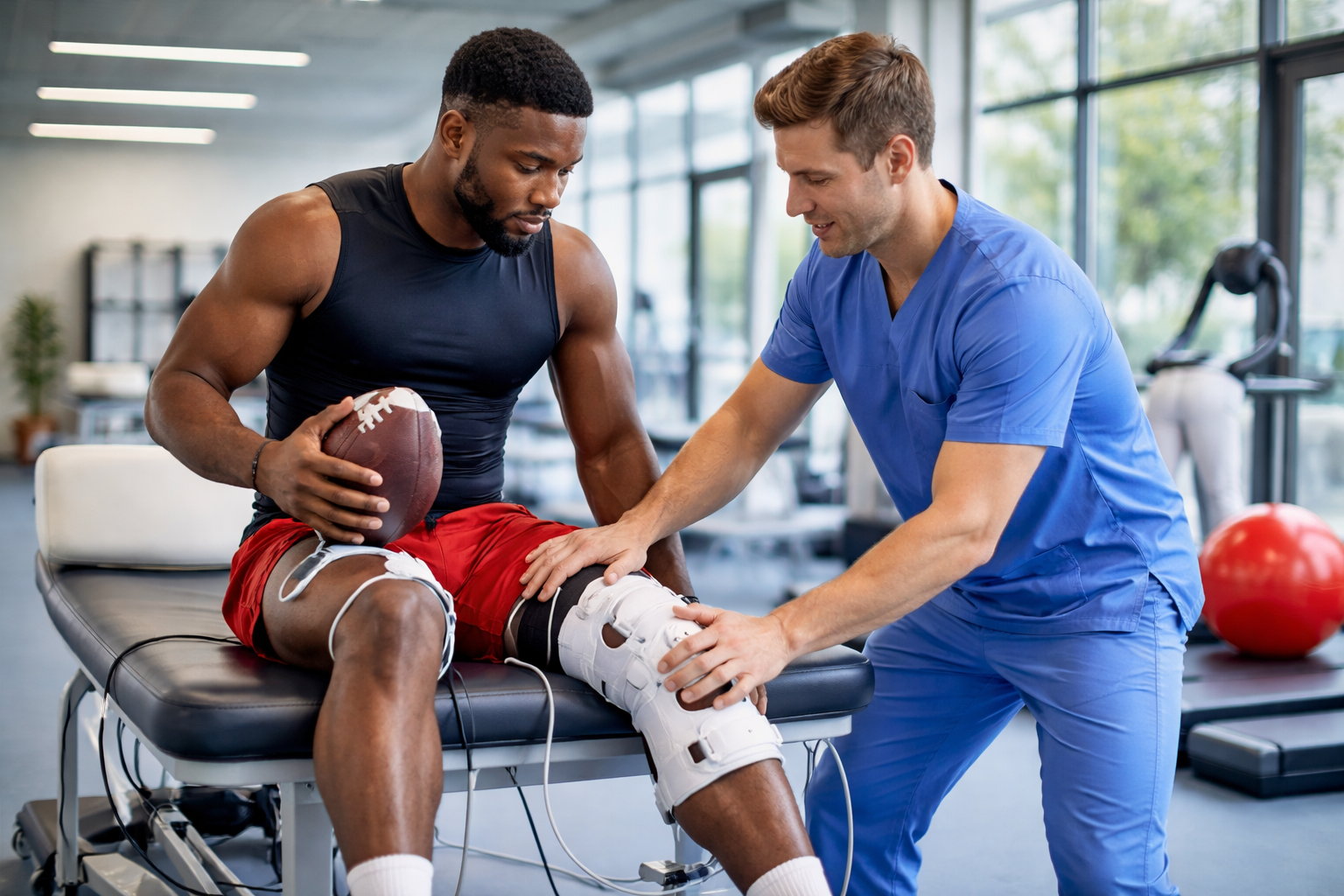
Injuries are an inevitable part of being a professional athlete. While the physical toll is evident, the mental and emotional consequences are often overlooked. The mental health impact of injuries can be profound, affecting athletes’ confidence, identity, and even their career. In this post, we explore how injuries impact athletes’ mental health, common coping mechanisms, and the resources available to help them through recovery.

The Psychological Effects of Injuries on Athletes
When an athlete sustains an injury, the focus is typically on physical recovery—surgery, rehabilitation, and regaining strength. However, the psychological toll is just as significant. According to experts, athletes can experience a range of emotions, including anxiety, depression, and frustration during recovery. Injuries can challenge their sense of identity, especially when athletes identify strongly with their sport and performance.
The period after an injury often brings feelings of isolation. Injured athletes are frequently away from their teammates and unable to engage in the activities that once defined their lives. This separation can lead to a sense of loss, as well as fear about the future. There may also be concerns about the financial consequences of an injury if the athlete’s career is cut short or if they are unable to perform at their previous level.
Coping Mechanisms for Mental Health Recovery
Fortunately, there are effective coping mechanisms that can help athletes navigate the emotional and mental challenges of injury recovery. One common approach is psychological counseling, where athletes can work through their feelings of loss, anxiety, or fear. Sports psychologists are trained to help athletes reframe their thoughts and deal with the emotional aftermath of injuries.
Another vital coping strategy is staying connected with teammates and coaches, even if it’s through off-field activities. This connection helps maintain a sense of belonging and reduces feelings of isolation. Mindfulness practices, including meditation and yoga, can also help athletes manage stress and build resilience.
In addition to these coping strategies, athletes may benefit from physical therapy and rehabilitation programs that include mental health components. The structured routines of these programs can help athletes feel that they are taking proactive steps towards recovery, both physically and mentally.

Resources Available for Athletes
Many professional athletes have access to a variety of mental health resources to help them manage the psychological toll of injuries. These include:
- Sports Psychologists: Many sports organizations provide athletes with access to specialized counselors who can help them cope with the stress and emotional strain of recovery.
- Peer Support Groups: Some professional sports leagues have peer-led support groups where athletes can share experiences and receive emotional support from those who have been through similar challenges.
- Online Resources: There are numerous websites, blogs, and forums where athletes can find articles, support groups, and advice tailored to their emotional well-being.
Resources like the American Psychological Association’s article on athletes’ mental health offer a comprehensive look at how mental health challenges are addressed in the world of professional sports. Additionally, the National Institute of Mental Health provides information about managing stress and anxiety, which are common among athletes during injury recovery.

The Importance of Mental Health Awareness in Sports
As mental health becomes more of a focal point in society, it’s equally important for athletes, teams, and sports organizations to prioritize the mental health of their players. The stigma surrounding mental health issues has been decreasing, and more athletes are speaking out about the importance of addressing their emotional well-being alongside their physical health.
More recently, players like Caleb Banks have brought attention to the emotional and mental side of recovery, opening up about their struggles with anxiety and depression. The industry has begun taking steps to implement mental health programs and offer counseling services to athletes in need. These efforts are crucial in ensuring that athletes not only return to their sport but also thrive in their personal lives post-recovery.
Conclusion
Injury recovery in professional sports is not just about getting back on the field—it’s also about healing mentally and emotionally. Athletes face significant mental health challenges during their recovery process, and it’s vital that they have access to the resources and support they need to cope with these challenges. Whether through counseling, mindfulness practices, or peer support, there are ways to manage the mental health impact of injuries.
If you or someone you know is struggling with the mental health effects of an injury, consider seeking help from a mental health professional who specializes in sports psychology. Taking proactive steps towards mental health recovery is just as important as physical rehabilitation.