
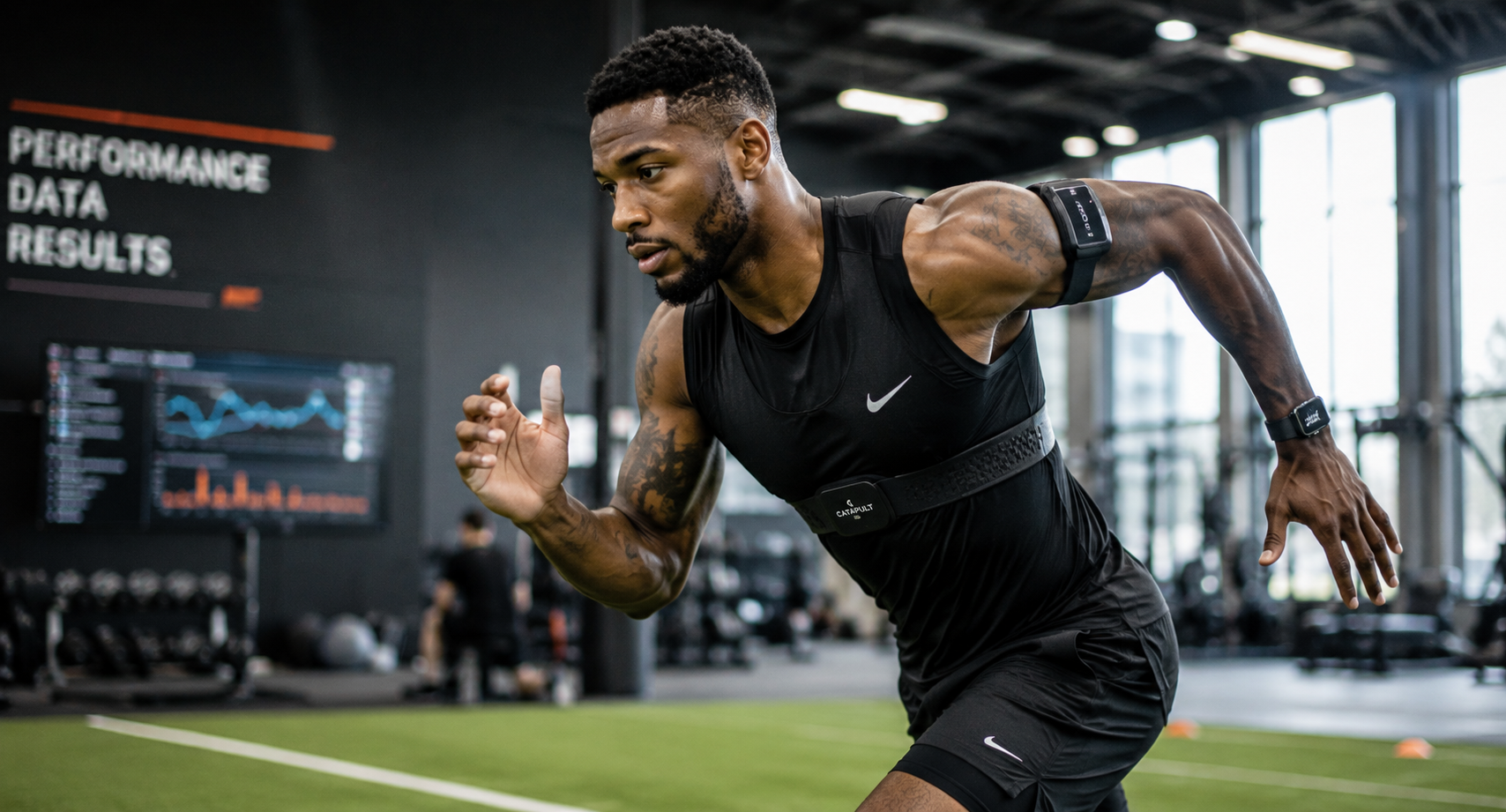
Sports technology is changing how athletes train, recover, and avoid injuries. In 2026, wearable devices are becoming one of the biggest trends in professional and amateur sports. From smart compression sleeves to AI-powered performance trackers, athletes now have access to tools that monitor movement, fatigue, stress levels, and recovery in real time.
Teams across the NFL, NBA, MLB, and NCAA are investing heavily in wearable technology to reduce injuries and keep players healthy throughout long seasons. Trainers and sports medicine experts are using data collected from these devices to detect early warning signs before serious injuries happen.
The growing popularity of wearable sports technology comes at a time when injuries continue to dominate headlines. Young athletes and professionals alike are dealing with overuse injuries, ACL tears, muscle strains, and concussion concerns. Articles like The Youth Sports Injury Epidemic have already highlighted how rising injury numbers are affecting athletes at every level.
Why Wearable Technology Is Trending in Sports
Professional sports teams are relying more on data-driven decisions than ever before. Coaches and trainers no longer depend only on observation during practices. Wearable devices now track an athlete’s workload, acceleration, heart rate, muscle fatigue, hydration, and sleep quality.
One reason this trend is growing rapidly is the increase in soft tissue injuries across sports. Hamstring strains, knee injuries, and repetitive stress problems continue to sideline major athletes. Sports organizations are looking for ways to reduce missed games and long recovery periods.
According to research published by the National Institutes of Health, wearable sensors may help identify movement patterns associated with injury risk. These systems allow medical staff to intervene earlier before a minor issue becomes severe.
Another factor driving the wearable technology boom is athlete demand. Many players now want access to personal performance data. They are using wearable devices not only during games and practices but also during sleep and recovery sessions.
How Wearable Devices Help Prevent Injuries
Modern wearable technology does much more than count steps or calories burned. Advanced sports devices collect biometric and movement information every second. This information helps trainers make smarter decisions regarding practice intensity and recovery schedules.
One major benefit is workload management. Athletes who suddenly increase training intensity are more likely to suffer injuries. Wearables help monitor physical stress levels and identify when an athlete may be pushing too hard.
For example, GPS trackers worn during practices can measure sprint distance, acceleration, and total workload. If a player’s metrics suddenly spike beyond normal levels, coaches may reduce training to lower injury risk.
Smart knee braces and compression gear are also becoming more common in sports medicine. Some devices track joint movement and identify instability patterns linked to ACL injuries. Others monitor muscle fatigue to help prevent strains.
Concussion monitoring is another major area of development. Several football and hockey programs now use smart mouthguards and helmet sensors designed to detect dangerous head impacts. This technology aims to improve player safety and identify possible concussions faster.
In recent years, athlete injuries such as those discussed in Injury Gossip’s latest athlete injury coverage have increased awareness regarding player safety and recovery management.
The Role of AI in Athlete Recovery
Artificial intelligence is making wearable sports devices even more powerful. Many systems now use AI to analyze patterns that humans might miss. Instead of simply collecting information, these tools provide predictive insights.
For example, AI software may identify subtle changes in movement mechanics that suggest fatigue or weakness. Trainers can then adjust workouts before an injury occurs.
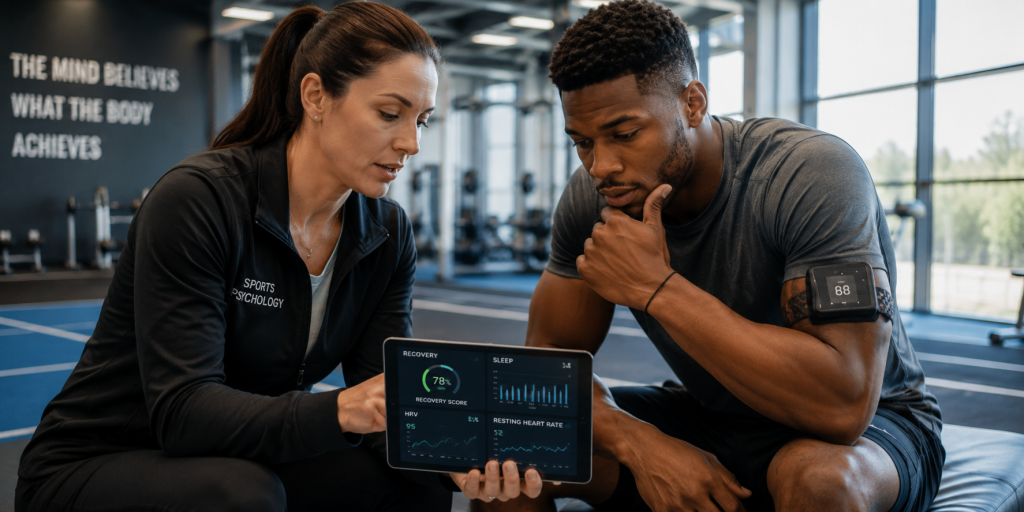
Recovery monitoring has also improved dramatically. Athletes recovering from surgeries or muscle injuries can now track their rehabilitation progress through wearable devices connected to mobile apps.
Sleep tracking technology is another major trend in 2026. Studies continue to show that poor sleep increases injury risk and slows recovery. Wearables help athletes monitor sleep quality, heart rate variability, and overall recovery readiness.
According to the Sleep Foundation, athletes who maintain healthy sleep habits may improve performance and lower physical stress levels.
Professional athletes are increasingly speaking openly about the mental and physical strain caused by injuries. Recovery is no longer viewed as purely physical. Mental health, stress management, and workload balance are all becoming part of the conversation.
Wearable Tech in Youth Sports
Youth sports programs are also beginning to adopt wearable technology. Parents and coaches are becoming more concerned about overtraining and injury prevention among young athletes.
Many youth athletes now compete year-round in a single sport, increasing the likelihood of overuse injuries. Smart monitoring devices may help coaches better manage training intensity and recovery periods.
Baseball programs are already using wearable pitch-count trackers to monitor throwing volume. Soccer academies and basketball programs are experimenting with movement sensors that detect fatigue and stress.
Organizations such as the CDC HEADS UP initiative continue to encourage better concussion awareness and athlete safety practices.
The use of wearable technology in youth sports remains controversial in some circles. Critics argue that excessive data collection may place too much pressure on young athletes. Others believe the benefits outweigh the concerns when devices are used responsibly.

Popular Wearable Devices Athletes Are Using
Several wearable brands are becoming increasingly popular among professional and amateur athletes. These devices vary in design and function, but many focus on injury prevention and recovery tracking.
- Smart compression sleeves that monitor muscle fatigue and movement patterns
- GPS vests that track workload and sprint metrics during training
- Smart rings that monitor sleep quality and recovery readiness
- Helmet and mouthguard sensors designed to detect head impacts
- AI-powered fitness watches that analyze stress and cardiovascular strain
Some athletes also use wearable hydration monitors that detect fluid loss during intense training sessions. Dehydration may increase fatigue and injury risk, especially in hot environments.
Wearable technology is even being integrated into rehabilitation clinics. Physical therapists are using smart sensors to monitor joint movement and rehabilitation progress in real time.
Experts from Mayo Clinic continue to emphasize the importance of injury prevention strategies that include conditioning, recovery, and proper training management.
The Future of Sports Injury Prevention
The wearable sports technology industry is expected to continue growing rapidly over the next several years. Companies are developing smaller, more advanced sensors capable of monitoring nearly every aspect of athletic performance.
Future wearable systems may eventually detect injury risk before symptoms even appear. AI models may identify hidden warning signs based on movement efficiency, fatigue, and biometric changes.
Some experts believe wearable technology could eventually become standard equipment in professional sports. Similar systems may also expand into schools, colleges, and recreational leagues.
As injury prevention becomes a larger focus across sports, technology is likely to play a central role in keeping athletes healthy and active for longer careers.
Articles discussing major athlete injuries, recovery updates, and sports medicine trends continue to attract massive attention online. Stories involving player recovery and rehabilitation often become viral discussions among fans and analysts alike.

Final Thoughts
Wearable technology is transforming the future of sports medicine and athlete recovery. From tracking fatigue and sleep quality to monitoring concussion impacts and muscle strain, these devices are helping athletes stay healthier and recover more effectively.
As teams continue investing in AI-driven injury prevention systems, wearable devices may become a normal part of every athlete’s training routine. Whether in professional leagues or youth sports programs, the goal remains the same: reducing injuries and helping athletes perform at their best.
With sports injuries continuing to dominate headlines, wearable technology is emerging as one of the most important trends shaping the future of athlete health in 2026.
External Source/s: