
Concussions remain a major concern in contact sports, affecting athletes from youth leagues to the professional level. In 2026, advances in technology are transforming how these injuries are monitored, diagnosed, and managed. From AI-powered helmet sensors to predictive analytics and wearable devices, athletes and medical teams now have unprecedented tools to reduce risk and improve recovery.
Understanding concussions is critical. Unlike a broken bone, a concussion is a traumatic brain injury that can have immediate and long-term cognitive, emotional, and physical effects. High-profile athletes such as those discussed in Caleb Banks’ injury coverage have sparked renewed awareness about head injuries in sports.
Why Concussion Awareness is Trending in 2026
Sports organizations, parents, and fans are increasingly concerned about head injuries due to long-term consequences, including chronic traumatic encephalopathy (CTE). Media coverage and lawsuits have pushed leagues to adopt stricter protocols and monitor players more closely. As reported in Youth Sports Injury Epidemic, even younger athletes are at risk due to repeated hits and improper recovery time.
With the rise of contact sports at every level, concussion prevention technologies have gained attention. Equipment manufacturers, medical researchers, and tech companies are introducing devices that measure impact severity, track cumulative hits, and alert trainers when thresholds are exceeded.
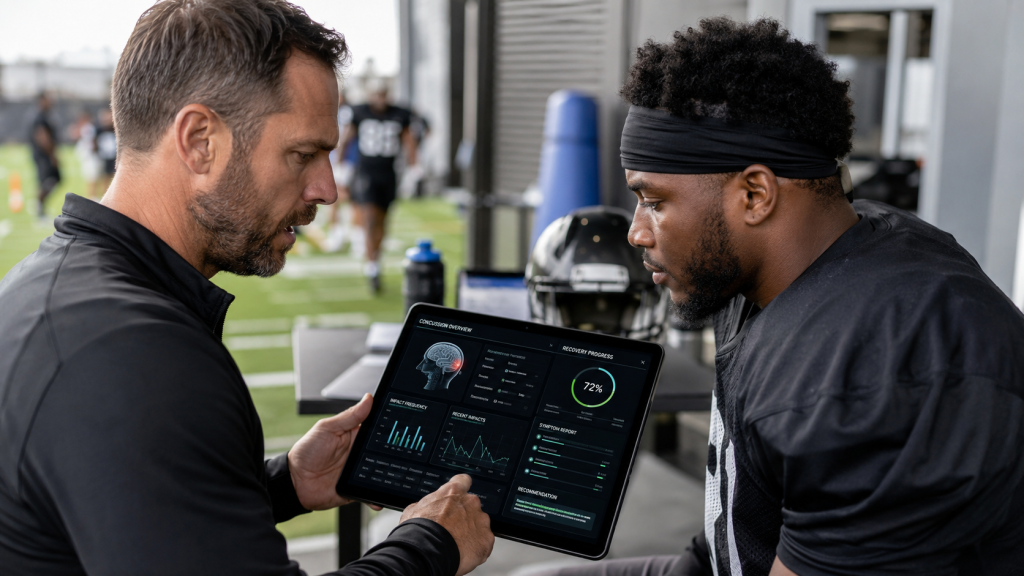
Emerging Technologies in Concussion Detection
Several innovative tools are now being implemented:
- Smart Helmets: Embedded sensors detect and measure the force of impacts, providing real-time data to coaching staff.
- Wearable Mouthguards: Measure head acceleration and rotational forces, alerting trainers when potential concussions occur.
- AI and Predictive Analytics: AI software analyzes patterns and predicts injury risk based on player history and biomechanical data.
- Mobile Apps for Recovery: Track symptoms, cognitive performance, and recovery progress post-concussion.
- Neurocognitive Testing Platforms: Provide baseline and post-injury assessments to guide safe return-to-play decisions.
These technologies complement traditional sideline assessments and allow for more informed decisions, protecting athletes’ long-term health.
How Professional Leagues Are Adopting Concussion Protocols
The NFL, NHL, and major college sports programs are enforcing strict concussion management protocols. Players undergo baseline testing, are monitored for symptoms, and must pass cognitive assessments before returning to play. Several athletes have benefited from real-time monitoring during practice, reducing the likelihood of playing while symptomatic.
Leagues are also educating coaches, medical staff, and athletes about concussion risks. Resources like CDC HEADS UP initiative provide guidance on recognition and management. Similarly, NFL Player Health and Wellness programs highlight technology integration for safety.
Impact on Youth and Amateur Athletes
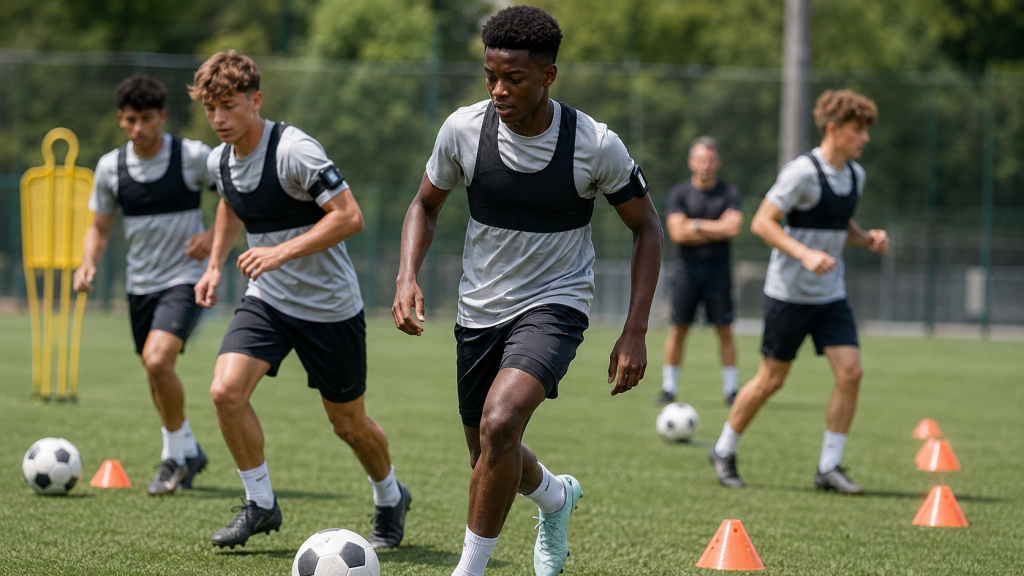
Emerging concussion technologies are not limited to professional sports. Youth leagues are increasingly adopting smart helmets and wearable sensors to monitor players. Proper education and equipment can prevent repeated head trauma, particularly in football, hockey, and soccer. Parents and coaches are encouraged to use resources like SAMHSA National Helpline to support injured players’ mental health during recovery.
Organizations such as the Injury Recovery section on Injury Gossip provide insights into safe recovery timelines, emphasizing the importance of cognitive rest in addition to physical healing. Monitoring cumulative head impacts is now seen as crucial for long-term brain health.
Challenges and Considerations
While concussion detection technologies are advancing rapidly, challenges remain:
- Data Interpretation: Sensor data must be accurately analyzed to prevent false positives or missed diagnoses.
- Compliance: Athletes and teams must consistently wear and monitor devices for effectiveness.
- Cost: High-tech helmets and AI platforms may be expensive for smaller programs.
- Education: Proper training for coaches, parents, and medical staff is essential to utilize technology effectively.
Despite these challenges, the integration of technology is considered one of the most promising avenues for improving player safety and awareness.
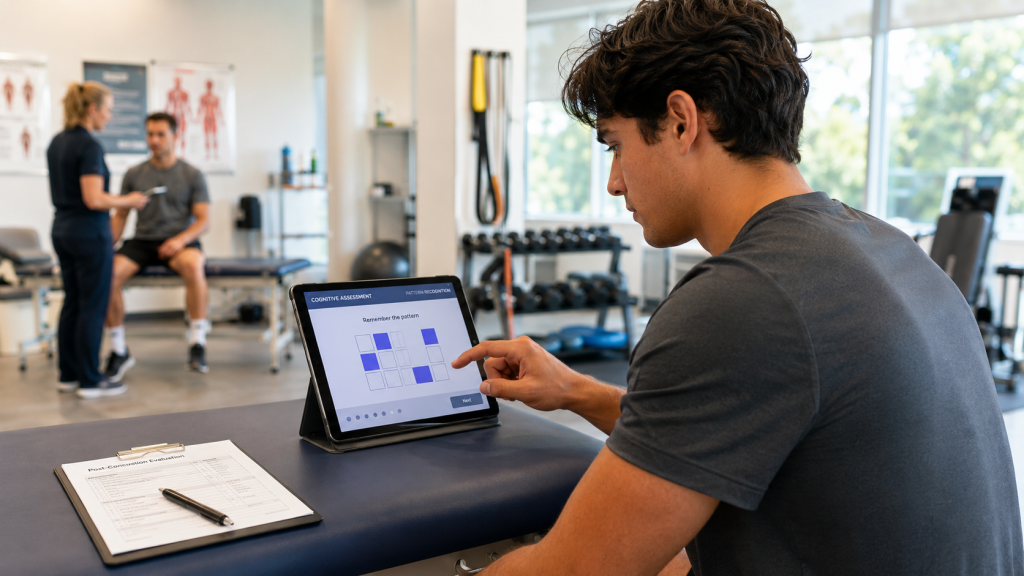
Future of Concussion Management in Sports
Looking ahead, AI and wearable sensors may detect potential brain injuries even before symptoms manifest. Predictive modeling could help coaches adjust training loads and prevent dangerous impacts. Integration with other wearable technologies, such as performance and recovery monitors, may offer a holistic view of athlete wellness.
As awareness grows, it’s likely that technology-driven concussion management will become standard in all competitive sports. Articles like The Mental Health Impact of Injuries on Professional Athletes highlight the intersection of physical and mental recovery, emphasizing the importance of supporting athletes holistically.
Conclusion
Concussion awareness and emerging technologies are shaping the future of sports safety. From youth leagues to professional athletes, wearable sensors, AI analytics, and smart equipment provide tools to reduce risk, improve recovery, and protect long-term health. Staying informed, implementing proper protocols, and leveraging these technologies are critical for anyone involved in contact sports.
Readers interested in similar injury coverage may also enjoy:
External references: